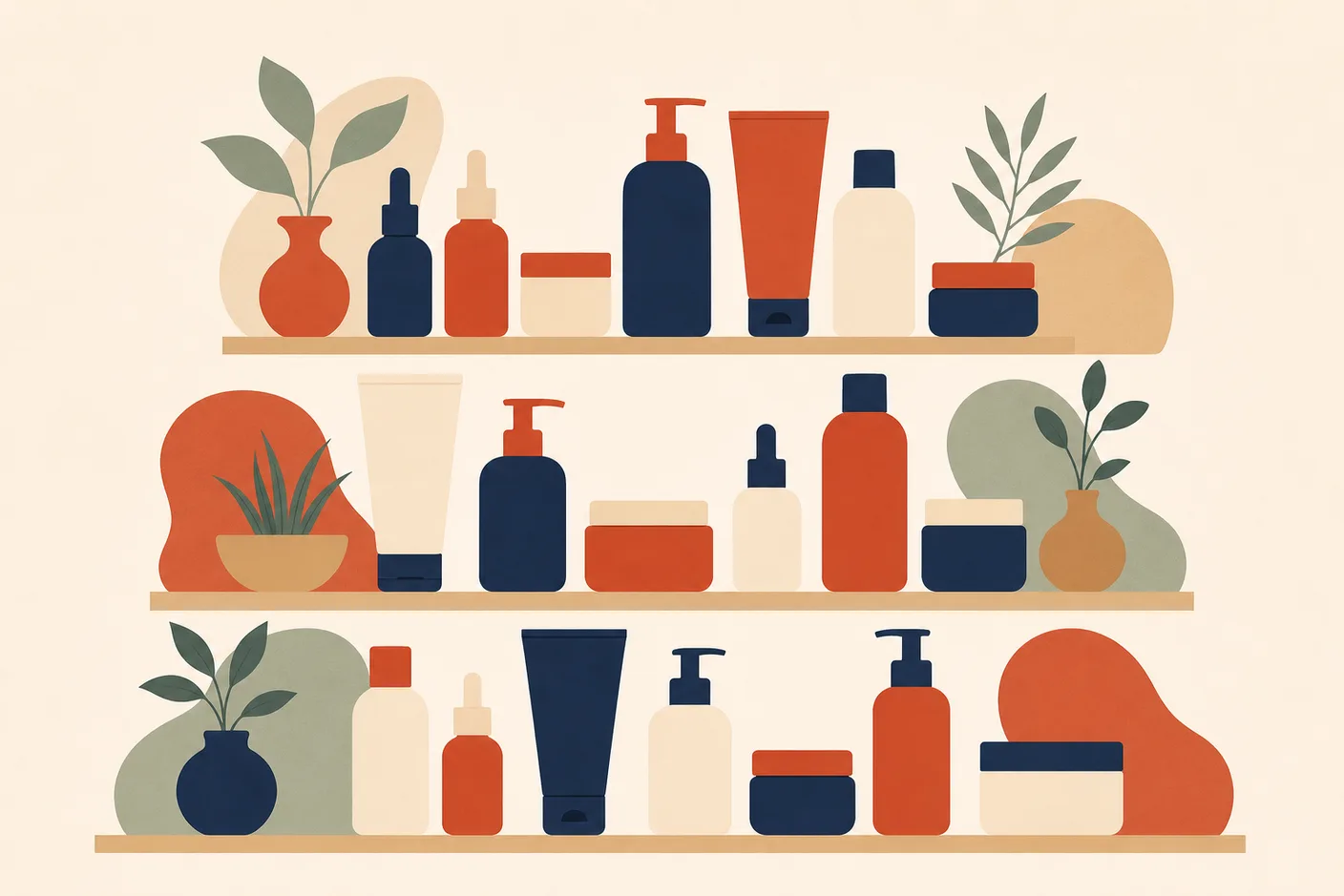
Korea's beauty aisles look like one tier. They are actually five.
Walk into an Olive Young on your first week in Korea and you will find a ₩3,500 pimple patch next to a ₩45,000 serum next to a ₩6,000 toner. None of the shelves explain which products are basic and which are premium. If you are used to drugstore-versus-department-store logic, it does not translate here.
This guide gives you the framework to read the market: five tiers from Daiso to Sulwhasoo, who manufactures what, what is genuinely cheaper to buy here than abroad, and which products fit which skin concerns. K-beauty (K-뷰티) is not a monolith. It is a tiered industry worth understanding before you spend money on it.
The market: why this matters
Korea exported $11.4 billion in cosmetics in 2025, making it the world's second-largest cosmetics exporter behind France only, having overtaken the United States in 2025 (as of 2026, Korea Herald). Domestic cosmetics production reached ₩17.54 trillion in 2024, up nearly 21% year-on-year.
That scale means the Korean beauty market is more competitive, more differentiated, and more innovation-driven than most foreign residents expect. The ₩15,000 sunscreen sitting on an Olive Young shelf has often outperformed significantly more expensive Western equivalents in independent formulation reviews. That is not marketing. It is the outcome of a brutally competitive domestic market with very demanding consumers.
K-beauty's global rise is connected to the same wave of cultural export that produced K-pop and Korean cinema. The K-pop and Hallyu guide covers that broader story. This guide focuses on what you can buy, what it costs, and where to find it.
Olive Young: where most foreign residents will end up
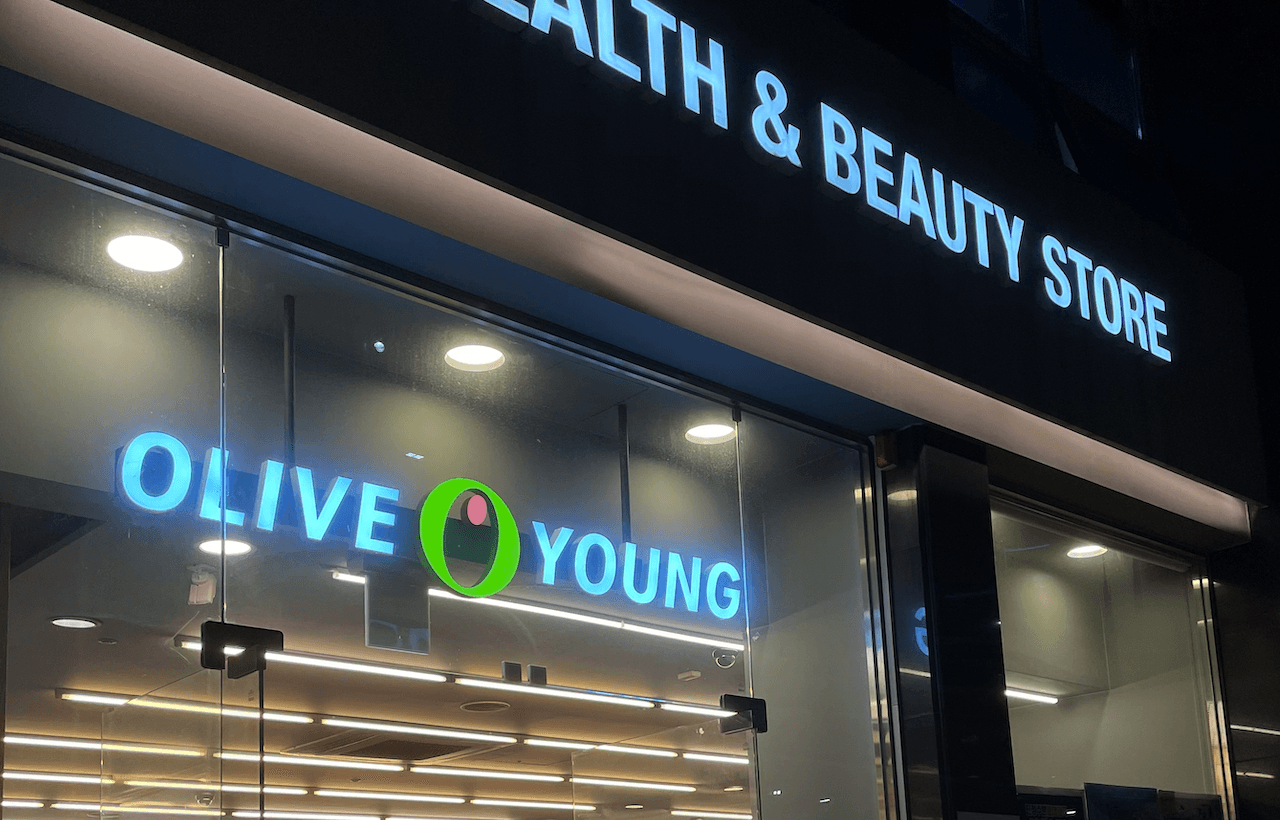
Olive Young (올리브영) is Korea's dominant health and beauty retail chain, operated by CJ Group. In 2025 it recorded ₩5.83 trillion in revenue, up 21.8% year-on-year. It has over 1,380 stores nationwide, and foreign shoppers accounted for more than 26% of its offline sales in early 2025.
For most foreign residents, Olive Young is the right starting point. It carries the full range of Tiers 2-4 under one roof. Prices are on shelf labels. Many products have English descriptions on the packaging. Staff in tourist-heavy locations (Myeongdong, Hongdae, Sinchon) often speak basic English and can recommend products by concern.
A few practical notes:
- Membership card: Sign up for the Olive Young app or in-store membership. Points accumulate on every purchase and can be used as cash. This is worth doing on your first visit.
- Sales cycles: Olive Young runs regular promotions, especially around "Olive Young Day" events. Checking the app before a large purchase can save 15-20%.
- Private-label brands: Olive Young has its own in-house brands: Wakemake (color cosmetics), Bring Green (skincare), Colorgram, and Bioheal BOH. These are legitimate products, not filler. Bring Green is a reasonable entry-level skincare option.
- Returns: Korean retail generally does not accept returns on opened skincare. Check before you buy.
- Not everything is there: Tier 1 luxury brands (Sulwhasoo, The History of Whoo) are not sold at Olive Young. For those, you need a department store.
The five tiers
This is the practical structure of the Korean beauty market.

Sulwhasoo · Tier 1

Laneige · Tier 2

Dr. Jart+ · Tier 2
Mamonde · Tier 2

Innisfree · Tier 2

Etude House · Tier 3
Missha · Tier 3
Nature Republic · Tier 3

Tony Moly · Tier 3
Tier 1: Luxury (₩80,000 to ₩300,000+)
| Brand | Korean | Type | Known For |
|---|---|---|---|
| Sulwhasoo | 설화수 | Skincare | Ginseng hanbang, prestige anti-aging |
| The History of Whoo | 후 | Skincare | Royal court hanbang heritage |
| O Hui | 오휘 | Skincare | Science-forward, LG H&H premium line |
| HERA | 헤라 | Makeup + skincare | Korean sophistication aesthetic |
| su:m37 | su:m37° | Skincare | Fermented ingredients, minimal approach |
| IOPE | 아이오페 | Skincare | Bio-science, stem cell focus |
Price range: ₩80,000 for entry serums to ₩300,000+ for signature sets. Sulwhasoo's Concentrated Ginseng Renewing Serum is available internationally at approximately $210 USD; domestic Korean pricing is in the same range at major counters.
Where to buy: B1 cosmetics floor at Lotte, Hyundai, or Shinsegae department stores (백화점). Hotel in-city duty-free (Lotte, Shilla, Shinsegae). Brand flagships in Cheongdam-dong and major malls.
Who it is for: Long-term residents looking for high-performance anti-aging or prestige skincare. Gift occasions. Consumers who want consultation-style service at a counter, which is standard practice at this tier.
Corporate parent: Sulwhasoo, HERA, IOPE are Amorepacific (아모레퍼시픽). The History of Whoo, O Hui, and su:m37 are LG H&H (LG생활건강). The History of Whoo became the first Korean beauty brand to exceed ₩2 trillion in annual sales (in 2018), peaking at ₩2.6 trillion in 2019.
Hanbang note: Both Sulwhasoo and The History of Whoo are rooted in hanbang (한방), the tradition of Korean herbal medicine-derived formulation. Ingredients like red ginseng, hwanggi, and hwangchil are central to the product philosophy. If traditional herbal ingredient philosophy is meaningful to you, this tier reflects it most directly.
Tier 2: Premium (₩20,000 to ₩70,000)
| Brand | Korean | Type | Known For |
|---|---|---|---|
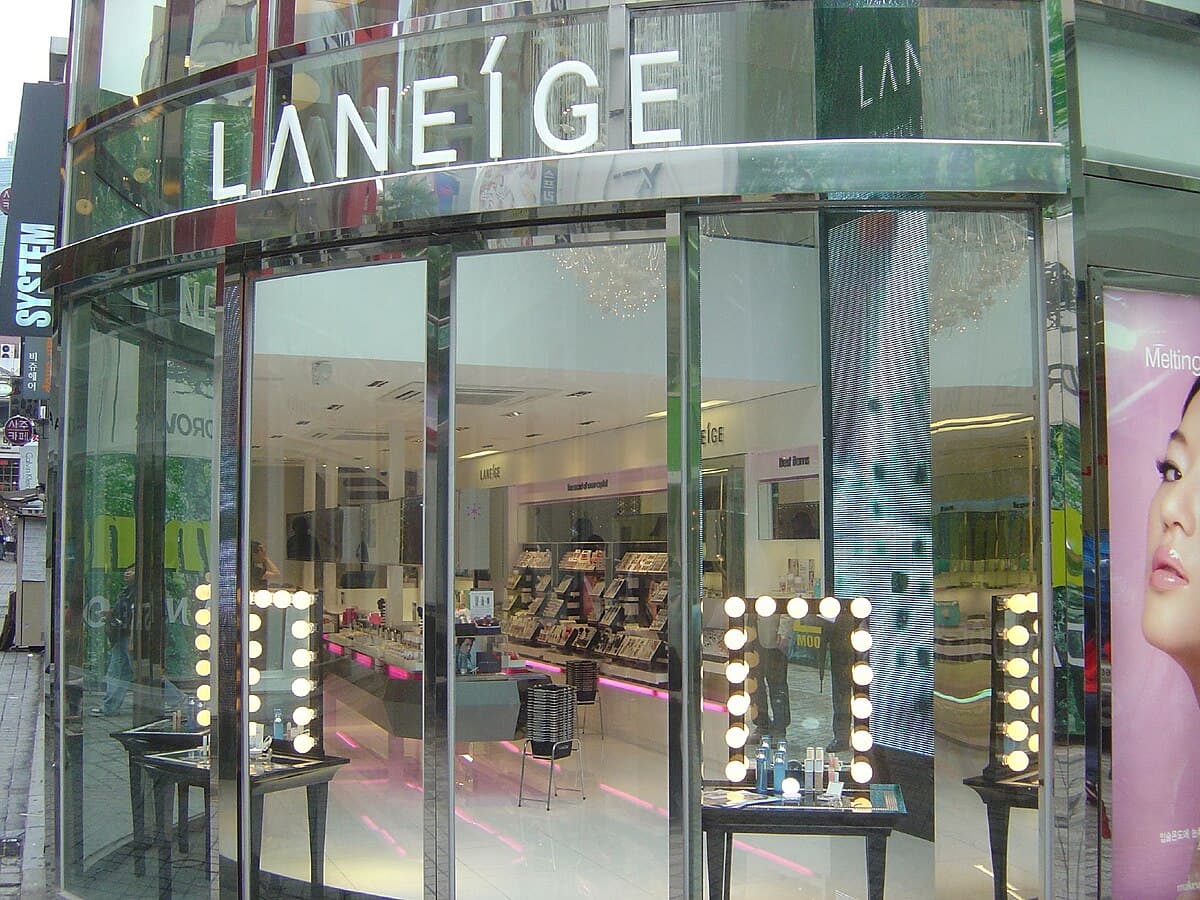
| Laneige | 라네즈 | Skincare | Water Sleeping Mask, Lip Sleeping Mask |
| belif | 벨리프 | Skincare | European herbalism heritage, True Cream |
| Mamonde | 마몽드 | Skincare + makeup | Floral extracts, accessible premium |
| Dr. Jart+ | 닥터자르트 | Skincare | Cicapair (calming), Ceramidin (barrier repair) |
| AESTURA | 에스트라 | Skincare | Dermatologist-backed, sensitive skin focus |
Price range: ₩20,000 to ₩70,000. Examples: Laneige Water Sleeping Mask EX (70ml) approximately ₩21,000 in Korea; Laneige Cream Skin Cerapeptide bundle approximately ₩22,000.
Where to buy: Olive Young (primary). Brand stores. Laneige and belif are also available in department stores.
Who it is for: Foreign residents who want proven, recognizable brands with good formulations without moving into luxury pricing. Laneige and Dr. Jart+ are the most internationally recognized brands in this tier, which makes them easy reference points when comparing Korean vs. international pricing.
Corporate parents: Laneige and Mamonde are Amorepacific. belif is LG H&H. Dr. Jart+ was acquired by Estée Lauder in 2019 for approximately $1.7 billion. If cruelty-free certification matters to you, check Estée Lauder's current policy separately from Korean domestic regulatory compliance.
Innisfree note: Innisfree (이니스프리) historically belonged in this tier. After a failed rebrand targeting younger consumers, its 2024 sales fell nearly 18% and operating profit fell over 84%. The brand still operates in Korea and is available at Olive Young, but its market position weakened significantly. Worth knowing if you see heavy discounts.
Tier 3: Drugstore / Mass (₩5,000 to ₩30,000)
This is the core of Olive Young and the tier that drives the most price difference for foreign residents buying in Korea.
| Brand | Korean | Type | Known For |
|---|---|---|---|
| COSRX | 코스알엑스 | Skincare | Snail Mucin Essence, Pimple Patches, cleansers |
| Some By Mi | 썸바이미 | Skincare | AHA-BHA-PHA Toner, brightening range |
| Beauty of Joseon | 조선미녀 | Skincare | Relief Sun, Glow Serum, hanbang-lite approach |
| Anua | 아뉴아 | Skincare | Heartleaf 77% Soothing Toner, oil cleansers |
| Round Lab | 라운드랩 | Skincare | 1025 Dokdo Toner, ceramide-focused |
| Torriden | 토리든 | Skincare | DIVE-IN Hyaluronic Acid Toner and Serum |
| BENTON | 벤튼 | Skincare | Fermented, sensitive-friendly |
| Klairs | 클레어스 | Skincare | Supple Preparation Toner, Freshly Juiced C serum |
| Pyunkang Yul | 편강율 | Skincare | Minimal ingredients, traditional herbal base |
Approximate prices in Korea (verified June 2026):
| Product | Korea price | Notes |
|---|---|---|
| COSRX Advanced Snail 96 Mucin Power Essence (100ml) | ₩19,000-24,000 | ~$14-18 USD |
| COSRX Low pH Good Morning Gel Cleanser | ₩9,900-13,000 | |
| COSRX Acne Pimple Patches | ₩3,500 | |
| Beauty of Joseon Relief Sun (50ml) | ₩15,000-18,000 | |
| Anua Heartleaf 77% Soothing Toner | ₩15,000-18,000 | |
| Torriden DIVE-IN Hyaluronic Acid Toner | ₩20,000-25,000 |
Prices are approximate and shift with promotions. Verify current prices before buying.
Where to buy: Olive Young is the primary physical retail channel. Coupang and Naver Shopping often have the same or lower prices with next-day delivery. If you plan to buy multiple items, comparing online first is worth a few minutes.
Who it is for: This tier is the sweet spot for most foreign residents. The formulations are sophisticated, the prices are accessible, and these are the brands with the largest gap between Korean domestic pricing and international retail.
Corporate note: COSRX is now a subsidiary of Amorepacific following an acquisition of approximately 93.2% of the company in late 2023 for approximately $560 million. It continues to operate independently with the same product lines. Beauty of Joseon, by contrast, is independently owned (parent Goodai Global, established 2019) and is not part of the major conglomerates, which is part of its appeal for shoppers who track who owns what.
Tier 4: Indie / Cult (₩12,000 to ₩40,000)
| Brand | Korean | Type | Known For |
|---|---|---|---|
| Numbuzin | 넘버즈인 | Skincare | Number-coded serums, glowy skin focus |
| Skin1004 | 스킨1004 | Skincare | Madagascar centella range, minimal formulas |
| SKIN&LAB | 스킨앤랩 | Skincare | Vitamin C, barrier repair |
| Manyo Factory | 마녀공장 | Skincare | Pure Cleansing Oil, fermented actives |
| Glow Recipe | Glow Recipe | Skincare | Korean-founded, US-based; watermelon and plum lines |
Price range: ₩12,000 to ₩40,000. Manyo Factory Pure Cleansing Oil approximately ₩18,000-22,000.
Where to buy: Olive Young carries most of these. Naver Shopping and brand websites are often the most complete channels for newer indie brands.
Who it is for: Foreign residents who have already developed a skincare routine and are looking for specific formulations or ingredient-focused products. Skin1004's centella range has a strong following among people with reactive or sensitized skin. Numbuzin serums are popular among people focused on skin tone and luminosity.
A note on manufacturing: Many indie Korean brands are produced by OEM/ODM partners Cosmax or Kolmar Korea, the same contract manufacturers that produce for much larger brands. The indie branding is real, but the manufacturing infrastructure is shared across the industry.
Tier 5: Daiso (₩1,000 to ₩5,000)
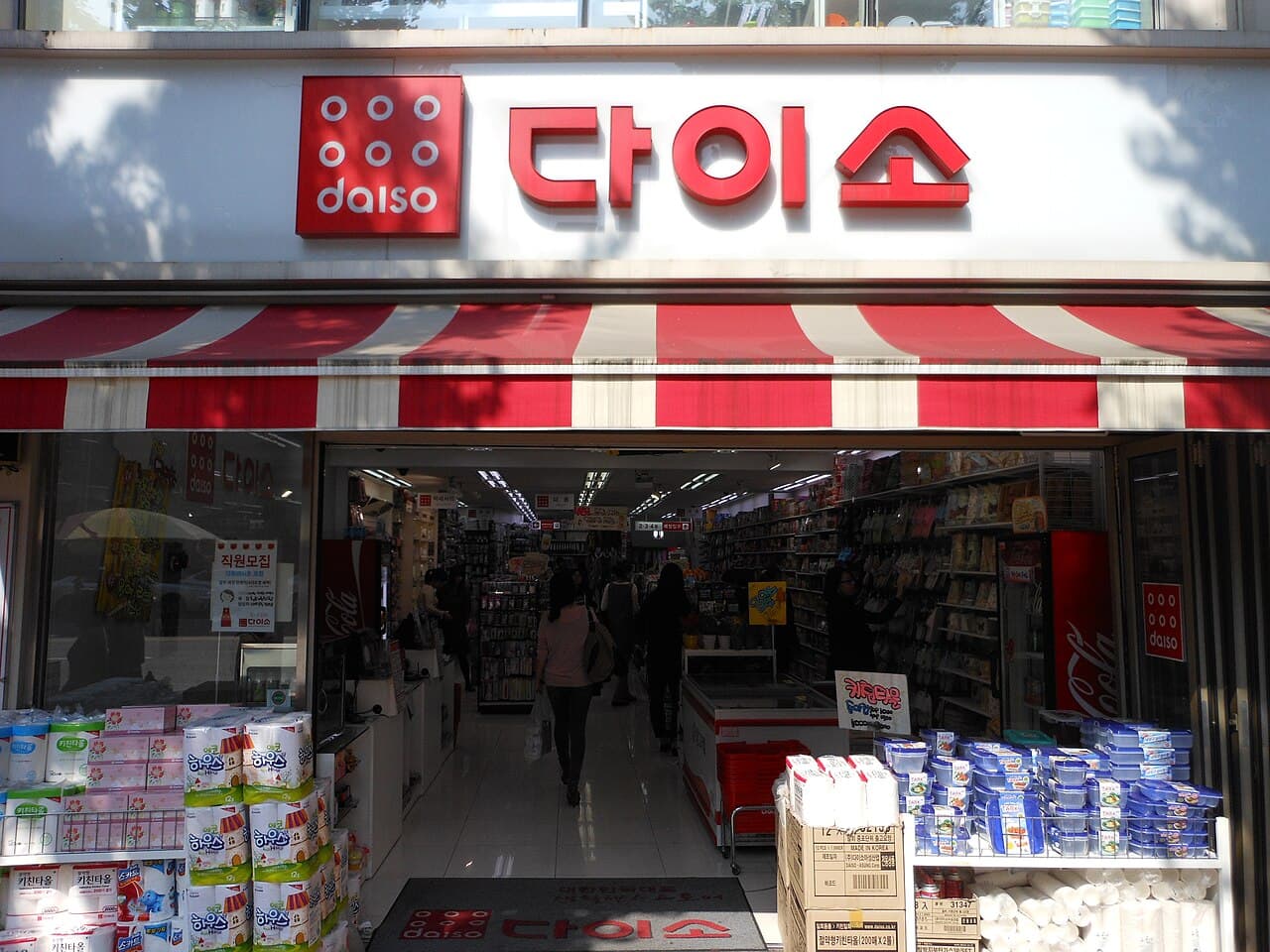
Daiso (다이소) is not a joke tier. It has become a legitimate K-beauty entry point, especially among Korean Gen Z consumers.
Daiso Korea expanded from just 4 cosmetics brands in 2021 to more than 50 by 2025. Sheet masks start at ₩1,000 to ₩2,000 per sheet, compared to ₩2,000 to ₩5,000 at Olive Young. These are legitimate Korean cosmetics manufactured under Korean regulations, not counterfeit or low-quality knockoffs.
Brands at Daiso include VT Cosmetics, A'pieu, MEDIPEEL (selected products), and Daiso's own private cosmetics line.
Who it is for: Anyone testing an ingredient for the first time. Sheet mask regulars who go through several per week. New foreign residents on tight budgets who want to start building a routine without significant spend. People who want to try multiple formulas before committing to a full-size product.
What to manage: Selection varies by store and changes frequently. Do not rely on Daiso for replenishment of a specific product. It is an excellent place to experiment, not to build a dependable routine around.
Corporate ownership decoded
Understanding who owns what matters for a few practical reasons: brand credibility, cruelty-free verification, and understanding why certain brands are expanding globally while others are contracting.

Amorepacific

LG H&H
Estée Lauder
Amorepacific (아모레퍼시픽)
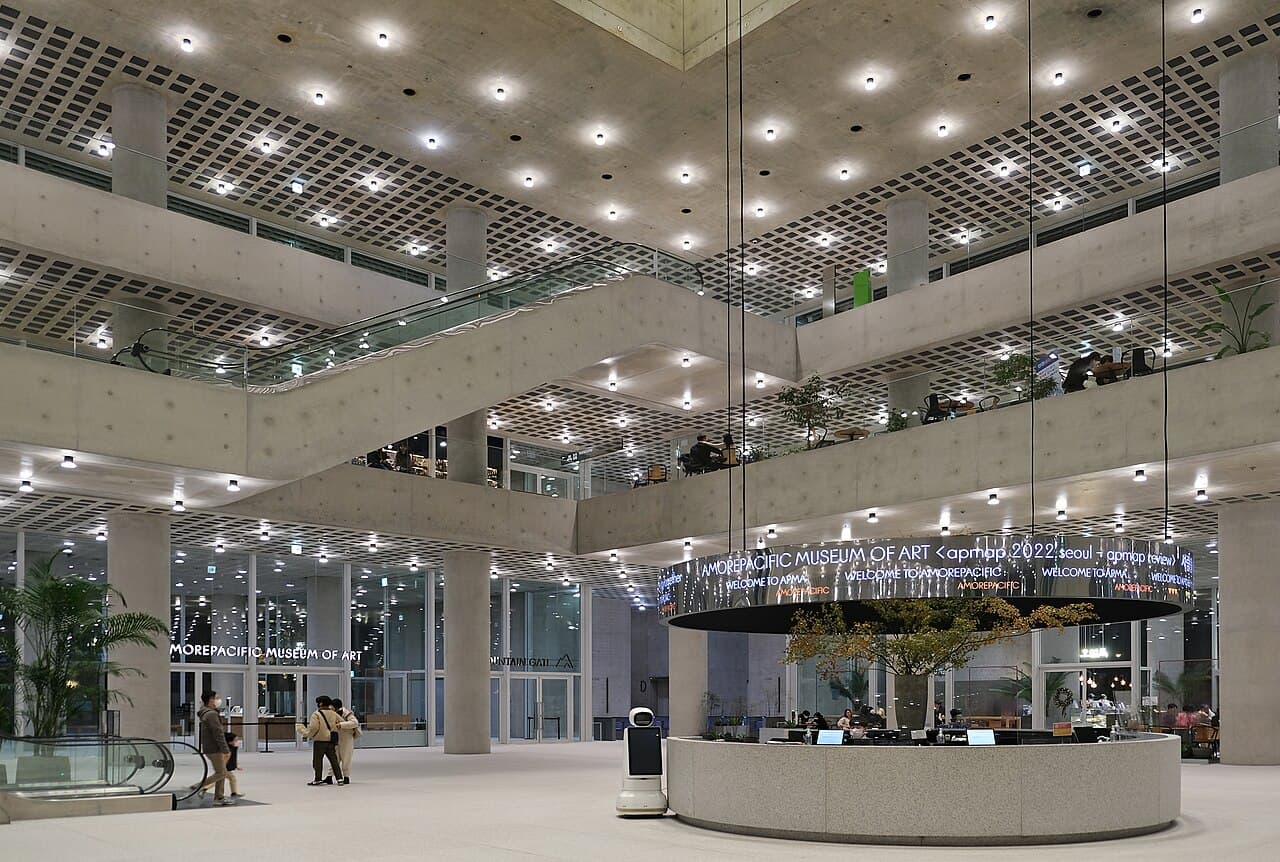
Korea's largest beauty conglomerate recorded ₩4.26 trillion in sales in 2024, with operating profit up 64% year-on-year. Its portfolio covers every tier:
- Tier 1: Sulwhasoo, HERA, IOPE
- Tier 2: Laneige, Mamonde, AESTURA
- Tier 3: COSRX (acquired 2023), illiyoon, Etude
Laneige and COSRX are Amorepacific's fastest-growing international brands, with the United States as its biggest growth driver.
LG H&H (LG생활건강)
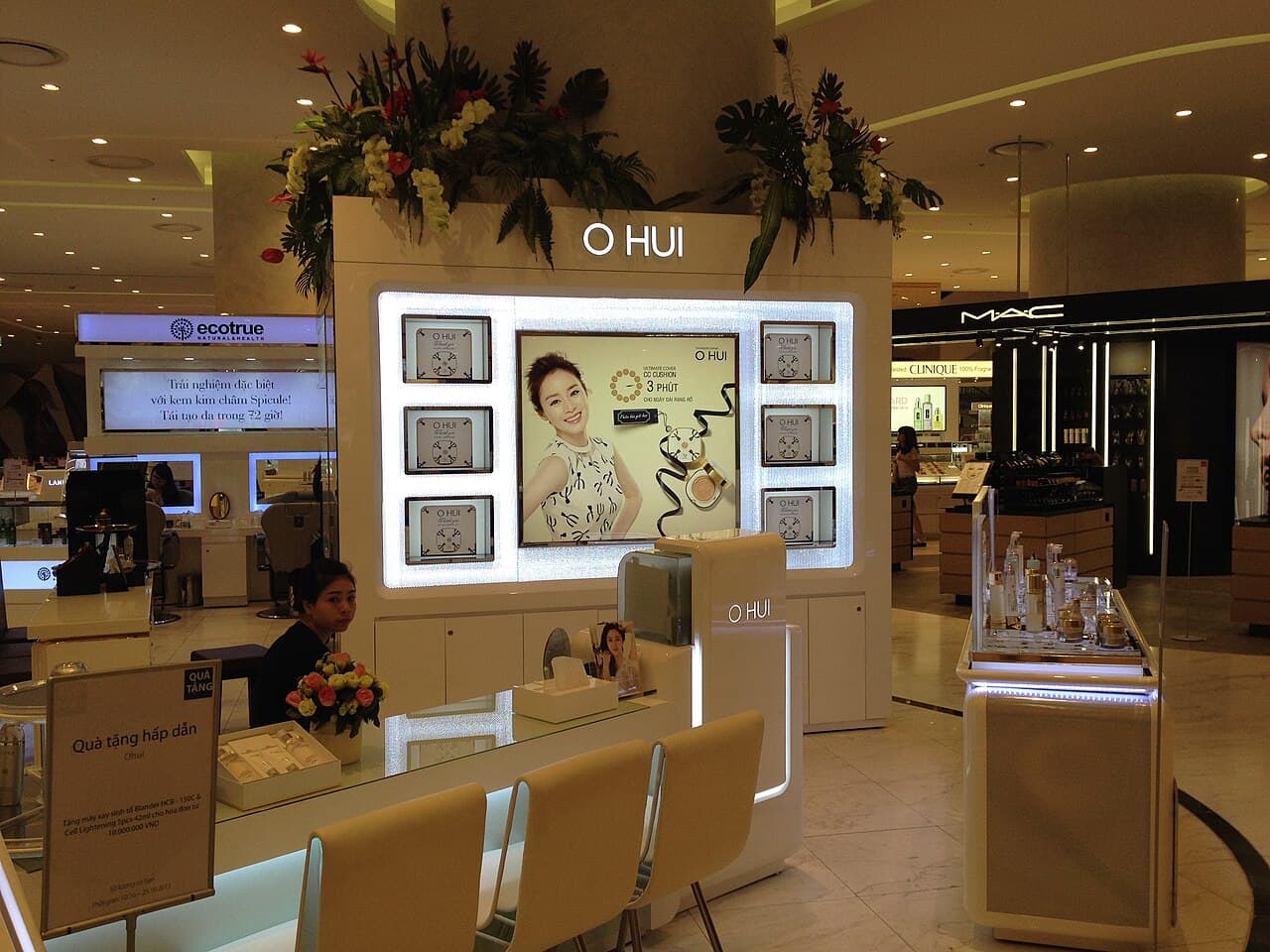
Korea's second-largest beauty conglomerate, with beauty division sales of ₩2.85 trillion in 2024. Portfolio:
- Tier 1: The History of Whoo (후), O Hui (오휘), su:m37
- Tier 2: belif
- Accessible: THEFACESHOP, isaknox
APR Corp (Medicube)
A rising challenger not in the Amorepacific or LG H&H orbit. APR Corp recorded ₩1.53 trillion in revenue in 2025, up 111% year-on-year, driven primarily by the Medicube AGE-R beauty device line. Its devices have sold more than five million units. APR is increasingly treated as a third major Korean beauty company alongside the two legacy groups.
Dr. Jart+ and Estée Lauder
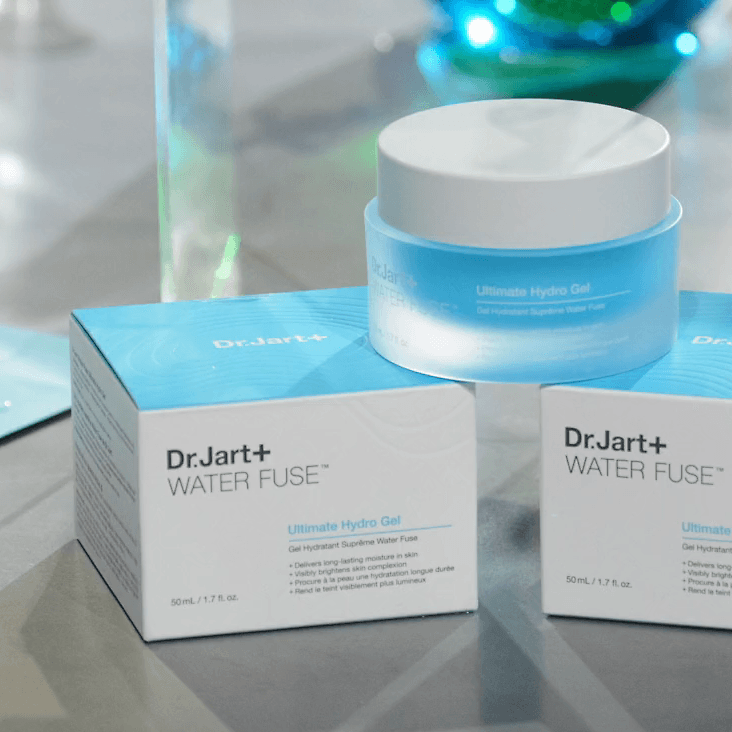
Dr. Jart+ (닥터자르트) was acquired by Estée Lauder in 2019 for approximately $1.7 billion. It is Korean in origin and formulation but operates under a Western luxury parent company. If Estée Lauder's corporate policies on animal testing or other ethics criteria matter to you, apply those rather than Korean domestic regulations.
For more on how Korean conglomerates work and the chaebol family structure behind companies like LG, the chaebol families and Korean conglomerates guide provides useful context.
Price differences: what is actually cheaper to buy in Korea
These are the clearest cases where buying in Korea saves meaningful money. All prices are approximate for 2026. Verify before buying in bulk.
| Product | Korea price | International price | Approximate saving |
|---|---|---|---|
| COSRX Advanced Snail 96 Mucin Power Essence (100ml) | ₩19,000-24,000 (~$14-18) | ~$25 USD | 30-40% |
| Beauty of Joseon Relief Sun (50ml) | ₩15,000-18,000 | ~$18 USD | ~30% |
| Laneige Water Sleeping Mask EX (70ml) | ~₩21,000 | ~33% more in Singapore and US | ~25-33% |
| Mediheal sheet masks | ₩1,000-2,000 each | $3-6 internationally | 50-70% |
| Innisfree sheet masks (multipack) | Around ₩700/mask in promotions | Significantly higher abroad | Substantial |
The savings are most pronounced in Tier 3. These brands price for Korea's competitive domestic market. International retail reflects import costs, distributor margins, and demand-driven pricing in markets where Korean skincare is positioned as premium.
Practical buying tip: If you know you will use a product for six months or more, buying a three-month supply in Korea before traveling or shipping abroad is cost-effective. Check import and postal restrictions for your destination country before shipping cosmetics internationally.
What is not cheaper in Korea
Not everything is a deal.
Western luxury brands (Estée Lauder, La Mer, Lancôme, Chanel beauty) often cost the same or more in Korea because of import tariffs and VAT. Do not come to Korea expecting to stock up on Western prestige skincare at a discount.
Some premium K-beauty has raised Korean prices. As Laneige and COSRX established premium positioning in Western markets, Korean domestic pricing followed. The price gap that existed five years ago has narrowed for several flagship products.
Limited-edition collaborations and hype products do not carry price differences. These price to demand everywhere.
In-city duty-free pricing for luxury K-beauty can be slightly lower than department store prices, but the mechanism requires you to collect goods at the airport when departing. For residents with no immediate travel plans, the discount is theoretical.
Shopping by skin concern
This is a starting-point guide, not a prescription. Korean skincare generally favors layering multiple lightweight products over a single heavy moisturizer. Start with one or two products and adjust.
Acne-prone skin: COSRX Acne Pimple Patches (Tier 3, ₩3,500), COSRX Advanced Snail 96 Mucin Essence, Some By Mi AHA-BHA-PHA Toner. The pimple patches are the most universally recommended entry point.
Sensitive or reactive skin: belif True Cream Moisturizing Bomb (Tier 2), Klairs Supple Preparation Toner (Tier 3), Pyunkang Yul Essence Toner (Tier 3), Dr. Jart+ Cicapair Cream (Tier 2). Look for products labeled 진정 (calming) or containing centella asiatica (센텔라/병풀).
Anti-aging: Sulwhasoo Concentrated Ginseng Renewing Serum (Tier 1), Laneige Cream Skin Cerapeptide (Tier 2), IOPE Bio Essence (Tier 1), The History of Whoo Bichup (Tier 1).
Brightening and even skin tone: Beauty of Joseon Glow Serum (Tier 3), Some By Mi Yuja Niacin range (Tier 3), Klairs Freshly Juiced Vitamin C Drop (Tier 3).
Oily or combination skin: Round Lab 1025 Dokdo Toner (Tier 3), Anua Heartleaf 77% Soothing Toner (Tier 3), Torriden DIVE-IN Hyaluronic Acid Toner (Tier 3). These are lightweight, non-comedogenic formulas that are popular with Korean consumers who find Western moisturizers too heavy.
Dry skin: Laneige Cream Skin Cerapeptide (Tier 2), illiyoon Ceramide Ato Concentrate Cream (Tier 2-3), Sulwhasoo First Care Activating Serum (Tier 1).
Makeup removal and cleansing: Banila Co Clean It Zero (Tier 3), Anua Heartleaf Pore Deep Cleansing Oil (Tier 3), Heimish All Clean Balm (Tier 3). Korean double cleansing (oil cleanser followed by foam cleanser) is standard practice before a skincare routine.
Korean men's skincare
The data here surprises many foreign residents. Korea has one of the world's largest men's skincare markets, valued at approximately $1.2 billion in 2025 by industry estimates, and projected to grow at over 11% CAGR through 2035.
A majority of Korean men report using basic skincare such as lotion, and consumer surveys put the average Korean man's routine at several beauty or cosmetic products. Roughly four in ten report that their routine consists entirely of K-beauty products, according to industry survey data.
Olive Young has a dedicated men's skincare section. Brands targeting the Korean men's market include Innisfree Forest for Men, Bro&Tips, and international lines like LAB Series and Biotherm Homme. Most Tier 3 gender-neutral products (COSRX, Round Lab, Torriden) are equally appropriate and commonly used by Korean men.
If you are new to skincare, the practical entry point regardless of gender: a low-pH cleanser, a toner, an SPF. These three products cover the most critical bases.
Where to buy beyond Olive Young
Department store B1 floors (백화점): Lotte, Hyundai, and Shinsegae department stores have cosmetics floors where every major Tier 1 brand has a dedicated counter. Counter staff provide skin analysis and samples. This is the right channel for buying premium or luxury K-beauty with guidance.
Hotel duty-free stores (면세점): Lotte Duty Free, Shilla Duty Free, and Shinsegae Duty Free have in-city locations accessible to foreign residents with a valid passport or Alien Registration Card (외국인등록증). Purchases must be collected at the airport when departing Korea. Do not confuse this with getting a discount you can use today.
Daiso: Widely distributed, including many neighborhood locations. Look for the dedicated beauty section, which has expanded significantly. Best for sheet masks, basic serums, and experimentation.
Coupang: Korea's dominant e-commerce platform. Rocket Delivery often means next-day arrival. Reliable for all Tier 2-4 brands at competitive pricing. The Naver vs Kakao guide covers how Coupang and Naver Shopping fit into Korea's broader digital commerce ecosystem.
Naver Shopping: Better for discovering smaller and indie brands, comparing prices across sellers, and buying from brand stores directly. Slightly more effort than Coupang but a wider catalog.
Brand stores: Innisfree, Etude, Tony Moly, and some other brands maintain standalone retail stores. These are most useful for sales events, exclusive sets, or if you want to test a full product line.
Sephora Korea: Sephora operates in Korea but focuses on Western and international brands. It is not the primary destination for K-beauty. Go to Olive Young instead.
The Korean approach to skincare
A few concepts that explain why Korean skincare is structured differently from Western skincare.
Prevention, not correction. Korean skincare philosophy prioritizes preventing skin issues rather than treating them after they appear. This is why sunscreen (자외선차단제) is worn daily year-round, not just in summer. It is also why the multi-step routine emphasizes sustained hydration and barrier protection rather than intensive spot treatments.
Glass skin and honey skin as aesthetic goals. Glass skin (유리 피부) refers to skin so hydrated and even that it appears to reflect light like glass. Honey skin (꿀피부) is dewy and luminous, slightly more achievable as a daily target. These are real Korean aesthetic ideals that drive product formulation. Products marketed toward these goals emphasize hydration, luminosity, and texture refinement over coverage.
Sheet masks as a routine, not an event. Many Korean consumers use sheet masks (마스크팩) two to seven times per week. At ₩1,000 to ₩2,000 per mask at Daiso, the economics support this frequency.
Daily SPF. Korean dermatologists consistently recommend SPF use year-round, regardless of season or weather. Korean sunscreen formulas are engineered to be lightweight and suitable for layering under makeup. This is one of the clearest practical differences between Korean skincare practice and the habits most foreign residents arrive with.
Note: Korean cosmetic surgery culture is a distinct and separate topic. That guide is coming separately.
Animal testing and cruelty-free
Korea has banned the distribution and sale of cosmetics tested on animals since February 2017, under Article 15-2 of the Cosmetics Act (화장품법). The ban covers both finished products tested on animals and products made with animal-tested ingredients. Limited exceptions remain, for example where a newly developed ingredient has no validated alternative testing method, or where an export or import destination's own law requires the testing.
However, Korean brands that sell in mainland China may still be subject to animal testing there. China removed pre-market animal testing requirements for most general cosmetics in 2021, but special-use or functional cosmetics categories (sunscreen, anti-aging, whitening, hair dye, and similar) can still require it in some cases. If cruelty-free status is important to you, verify the brand's specific China sales policy, not just its Korean compliance.
Brands certified by Leaping Bunny or PETA's Beauty Without Bunnies program have made a public commitment to cruelty-free standards across all markets. Amorepacific stopped animal testing in 2008, before the Korean legal ban. Given Amorepacific's large China business, check for brand-specific commitments within the portfolio.
Dr. Jart+ is owned by Estée Lauder. Estée Lauder has its own cruelty-free policies. Check those directly rather than relying on Korean domestic regulations.