You have probably used four chaebol products before breakfast
Your morning starts on a Samsung Galaxy. The signal comes from SK Telecom or LG U+. You take the elevator in a Raemian (래미안), Hillstate (힐스테이트), or Xi (자이) apartment. You stop at a GS25 (지에스25) on the way to the subway. You pay with a Hyundai Card. Before 9 AM, four or five of Korea's largest family conglomerates have already touched your morning.
Chaebol (재벌) are South Korea's family-owned industrial groups. The Big 5 by assets, Samsung, SK, Hyundai Motor, LG, and Lotte, dominate the economy. Measured by stock-market value, the top listed groups (Samsung, SK, Hyundai Motor, LG, and HD Hyundai, which edges out Lotte on this basis) make up the largest single share of Korea's market capitalization, and the gap between them and the rest of the market has widened in recent years. They built the apartments you live in, run the hospitals you visit, and produce most of what you see in Korean supermarkets.
The sections below show you which family owns which brand, who leads each group, why the names in Korean news headlines matter, and how all of this connects to your daily life as a foreign resident in Korea.
What a chaebol is
The word chaebol (재벌) means "wealthy clan." It describes a large family-controlled conglomerate that operates across many unrelated industries at once. One group might make semiconductors, build apartments, run a hotel chain, issue credit cards, and own a hospital, all under the control of a single founding family.
The key mechanism is cross-shareholding (순환출자). Company A holds shares in Company B, B holds shares in C, C holds shares back into A. This web allows a family to control an enormous empire while owning a relatively small percentage of total shares. The KFTC (Korea Fair Trade Commission) has been working to reduce this structure for years, with partial success (as of 2025, verify at the KFTC site).
The chaebol system was not an accident. Park Chung-hee seized power in 1961 and needed rapid industrial growth. His government directed state-controlled banks to extend large low-interest loans to selected industrial families, in exchange for hitting export targets. Families that succeeded got more capital and more contracts. This is covered in depth in the Modern Korean History 101 guide. The short version: the state built these groups on purpose, and the founding families never really gave up control.
As of the 2026 designation cycle, the KFTC formally designates 102 business groups as large conglomerates subject to chaebol-level regulation (up from 92 in 2025). These groups hold a combined asset base in the thousands of trillions of won, and that total has grown steadily over the past several years.
The Big 5 at a glance

Samsung
SK
Hyundai Motor
LG
Lotte
Samsung (삼성)
Samsung Electronics is the most profitable division of Korea's largest group. It is the world's largest memory chip maker and the world's number two semiconductor foundry behind Taiwan's TSMC. It makes the Galaxy phones, the chips inside many of your other devices, and the TVs in Korean apartments. But Samsung is much bigger than electronics.
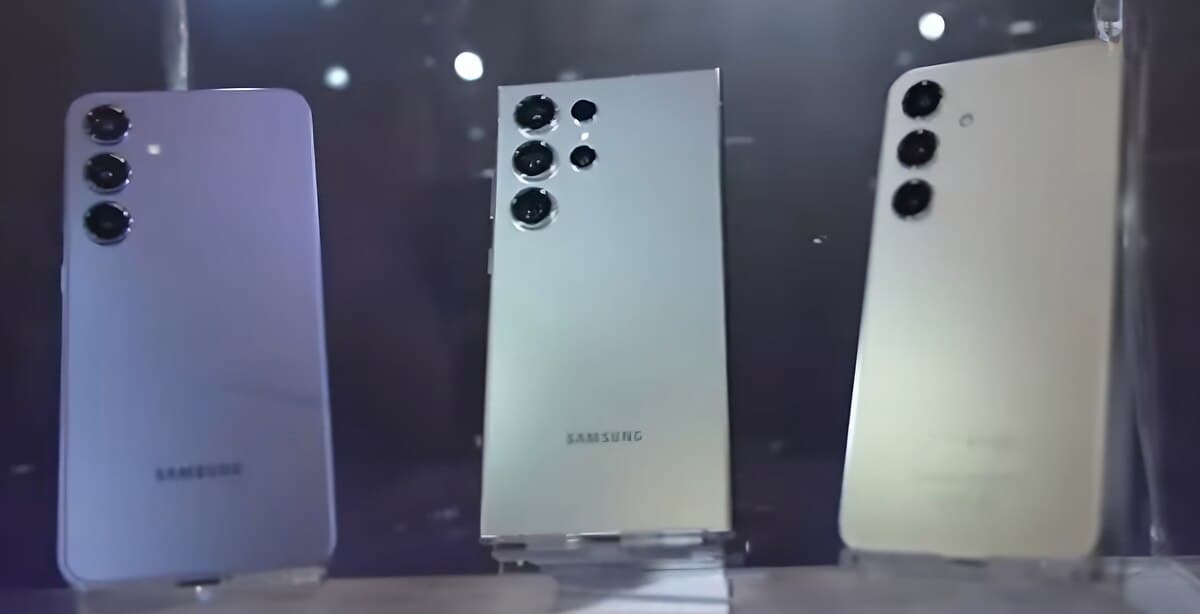
Samsung C&T was a lead contractor on the Burj Khalifa and Petronas Tower 2. Its construction arm produces the Raemian (래미안) apartment brand, one of the most recognized prestige labels in Korean real estate. Samsung Life Insurance is one of the country's largest. The Shilla is its luxury hotel brand. Samsung Medical Center in Gangnam is one of Korea's top private hospitals.
Chairman: Lee Jae-yong (이재용), third generation. He was formally appointed chairman in October 2022. As of July 2025, all criminal charges against him have been cleared by the Supreme Court (details in the "Recent dramas" section below).
Samsung Electronics is one of the largest technology companies in the world by revenue, and it is the single most valuable listed company in Korea.
SK (에스케이)
SK Telecom is Korea's largest mobile network. If your SIM card is on a Korean carrier, there is a good chance it is SK or an SK virtual operator. SK Hynix is the world's second-largest memory chip maker and the dominant supplier of HBM (High Bandwidth Memory) to NVIDIA's AI GPUs. The 2024 to 2025 AI infrastructure boom transformed SK Hynix into one of Korea's most valuable companies (full chip section below).
SK's market value climbed sharply through 2025, driven mainly by AI semiconductor demand, lifting it to second place among Korean groups by market capitalization.
Chairman: Chey Tae-won (최태원), third generation, has led the group since 1998. His divorce case was referred to mediation in April 2026 after a Supreme Court remand (see "Recent dramas").
Hyundai Motor Group (현대자동차그룹)
This is the Hyundai that makes cars. Hyundai Motor, Kia (acquired in 1998 during the Asian financial crisis), and Genesis all belong to this group. Hyundai E&C is its construction arm and produces the Hillstate (힐스테이트) apartment brand.
A note on the Hyundai name: there are several separate Hyundai companies today, all descended from founder Chung Ju-yung. The car group, the department store group, the heavy industry group, and the development company are all independent. The family trees section below separates them.
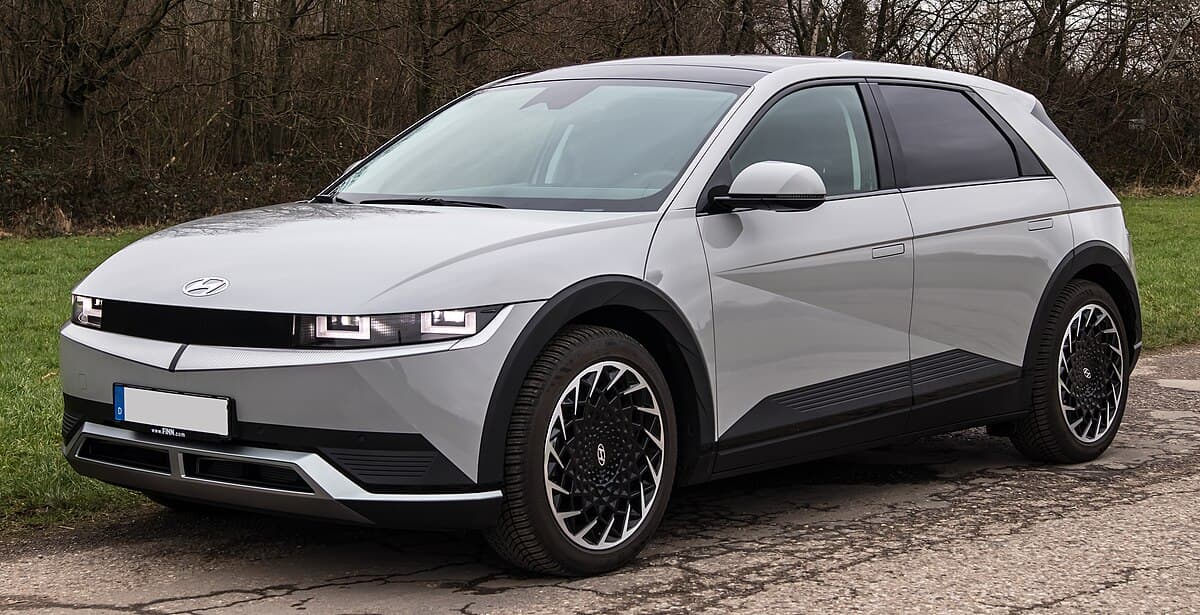
Chairman: Chung Eui-sun (정의선), third generation (grandson of founder Chung Ju-yung). He became chairman in October 2020.
LG (엘지)
LG Electronics makes the TVs and washing machines you see in Korean apartments. LG Chem and LG Energy Solution are major suppliers to the global EV battery industry. LG Uplus is Korea's third mobile network. If you have an LG U+ SIM or home internet, you are an LG customer.
LG discontinued its phone business in 2021.
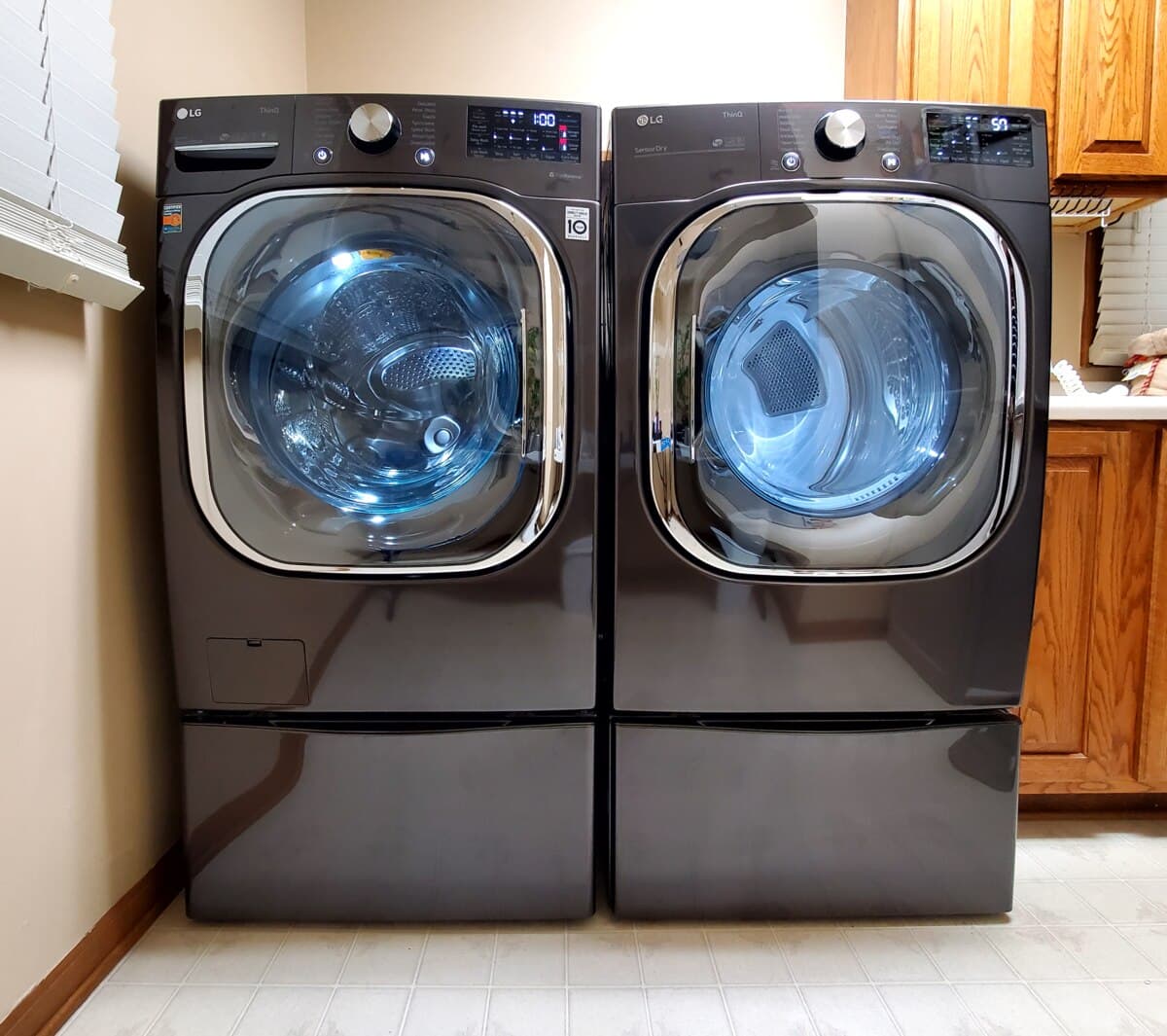
Chairman: Koo Kwang-mo (구광모), fourth generation, took over in 2018 at age 40 after his father Koo Bon-moo died. He became the youngest LG chairman in the group's history.
Lotte (롯데)
Lotte is the group you encounter most physically in Korea. Lotte Department Store, Lotte Mart, Lotte World, Lotte World Tower, Lotteria (the fast food chain), Lotte Cinema, Lotte Hotels. Lotte Chilsung makes Chilsung Cider (칠성사이다) and holds the Pepsi Korea license. Lotte Wellfood (롯데웰푸드, formerly Lotte Confectionery / 롯데제과 until its 2023 rebrand) makes Pepero and Koala March. Lotte Card and Lotte Castle (롯데캐슬) apartments complete the picture.
Lotte was founded as a Japanese company. Its founder Shin Kyuk-ho built the Korean side as a separate empire. That Japan-Korea dual structure is at the root of the ongoing family dispute (see "Recent dramas").

Chairman: Shin Dong-bin (신동빈), second generation.
Why chips matter: Samsung, SK Hynix, and the AI boom
Memory chips are Korea's single most important export sector. Samsung Electronics and SK Hynix together dominate the global DRAM and NAND flash markets. When the chip cycle moves, Korea's exports, the KOSPI index, and chaebol headlines all move with it. The AI infrastructure boom of 2024 and 2025 is the most dramatic example in recent memory and a big reason two of the Big 5 chaebol now sit where they do.
How SK ended up with Hynix
SK Hynix was not always part of SK. Its history is one of the biggest M&A stories in modern Korean industry, and it explains why SK now sits next to Samsung at the top of the global memory market.
The company started as Hyundai Electronics, founded in 1983 inside Chung Ju-yung's original Hyundai conglomerate. After the 1997 Asian financial crisis, the Korean government forced a wave of "Big Deal" restructurings to consolidate fragmented industries. In 1999, LG Semicon (LG Group's memory chip business) was merged into Hyundai Electronics under government direction. The combined entity was renamed Hynix Semiconductor in 2000.
Hynix went through the early 2000s under creditor management after the dot-com bust collapsed memory prices. In February 2012, SK Group bought a controlling stake from the creditor banks and renamed the company SK Hynix. SK had been a telecommunications and energy group. The Hynix acquisition turned it into a global semiconductor company. It is the deal that defines SK's position today.
Why HBM is everything in 2025
NVIDIA's AI GPUs (the H100, H200, and the Blackwell B100 and B200 series) require a specialized type of memory called HBM (High Bandwidth Memory) that is stacked physically next to the GPU die. HBM is what makes AI training and inference possible at the scale data centers now demand. The market for HBM is dominated by three companies: SK Hynix, Samsung, and Micron (United States).
SK Hynix moved fastest on HBM3 and HBM3E and became NVIDIA's primary HBM supplier through the most explosive period of AI infrastructure spending in tech history. That single product line is the main reason SK Group's market value surged through 2025 to second place among Korean groups. Samsung has been working through 2024 and 2025 to fully qualify its own HBM with NVIDIA, a process Korean financial press tracks closely.
Why this matters for foreign residents
Chips are not abstract finance. Korea's chip cycle drives hiring at Samsung and SK, real estate demand near the major fabrication plants in Pyeongtaek (Samsung) and Icheon (SK Hynix), and the political weight Korean chaebol leaders carry in trade talks between Seoul, Washington, and Beijing. When you read a Korean news headline about export numbers or KOSPI movement, the chip line is usually what is moving the total. When the US Commerce Department announces new export restrictions on chips going to China, Samsung and SK Hynix are the Korean companies most affected.
The family trees decoded
Lee family: Samsung, Shinsegae, CJ, Hansol, JoongAng
Founder Lee Byung-chul (이병철) died in 1987. After his death, his children split Samsung into five separate groups. This is why stores and brands that look unrelated often belong to the same family.
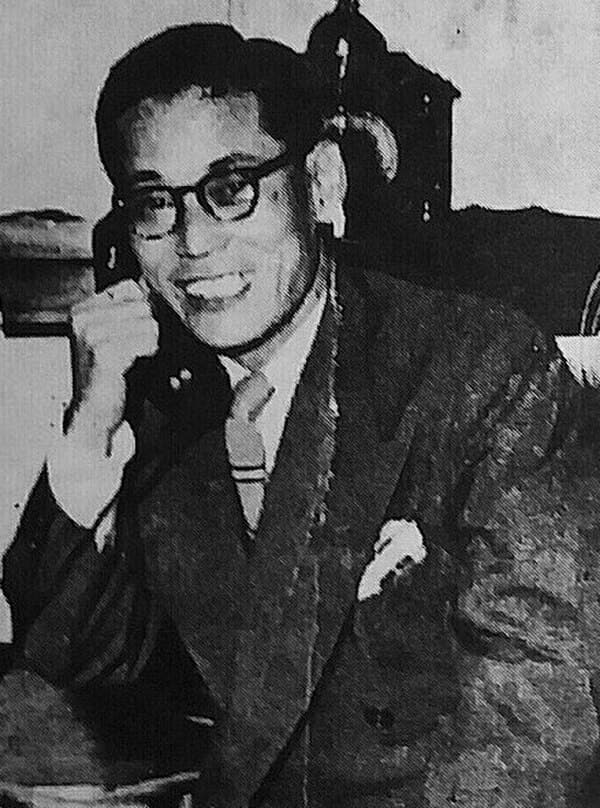
- Samsung Group: went to third son Lee Kun-hee (이건희), who died in 2020. Now led by Lee Jae-yong (이재용).
- Shinsegae Group (신세계그룹): went to Lee Byung-chul's daughter Lee Myung-hee (이명희). A formal split was completed in 1997. Her son Chung Yong-jin (정용진) leads Emart and the broader group; her daughter Chung Yoo-kyung (정유경) leads Shinsegae Department Store. Both roles were formalized in a 2025 sibling restructuring.
- CJ Group (씨제이그룹): went to the branch of Lee Byung-chul's first son. Lee Jay-hyun (이재현) is the current chair. CJ owns CJ CheilJedang (food processing), CJ ENM (tvN, Mnet, Studio Dragon), CJ Logistics, CGV cinemas, and Bibigo. Lee Jay-hyun is Lee Jae-yong's cousin.
- Hansol Group and JoongAng Group (which publishes the JoongAng Ilbo newspaper) went to other children of the founder. Smaller and less present in daily life.
What this means in practice: Emart (이마트), SSG.com, Starbucks Korea (operated under Shinsegae license), and Shinsegae Department Store are all Lee family, but not Samsung. CJ Olive Young drugstores, Bibigo products, CGV cinemas, and the tvN channel are also Lee family, through the CJ branch. These companies compete with each other today.
Chung family: the Hyundai fragmentation
Founder Chung Ju-yung had eight sons. After the "Prince War" (왕자의 난) succession battle that began in 2000, the original Hyundai conglomerate split between 2000 and 2002 into separate, independent groups run by different sons.
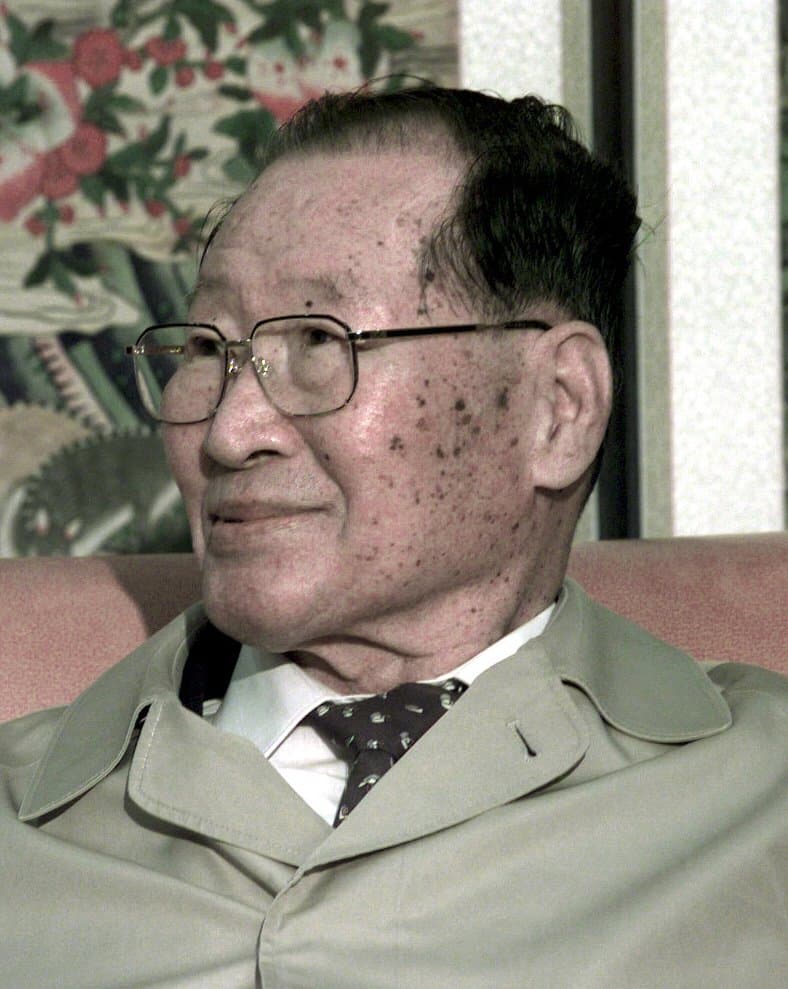
- Hyundai Motor Group: led by Chung Mong-koo's line, now by his son Chung Eui-sun (third generation). This group owns Hyundai Motor, Kia, Genesis, Hyundai E&C (Hillstate apartments), Hyundai Steel, and Hyundai Mobis.
- HD Hyundai (formerly Hyundai Heavy Industries Group): led by the Chung Mong-jun branch. Shipbuilding and offshore energy.
- Hyundai Department Store Group: led by the Chung Mong-keun branch. Hyundai Department Store, Hyundai Home Shopping, Hyundai Duty Free.
- Hyundai Development Company (HDC): led by the Chung Mong-gyu branch. Produces the iPark (아이파크) apartment brand.
Key point: when a Korean says "Hyundai," they may mean any of these groups. "Hyundai car" means Hyundai Motor Group. "Hyundai Department Store" is a separate family branch with no management connection to Hyundai Motor Group. Asan Medical Center (아산병원), Korea's largest hospital at 2,446 beds, was established by the Asan Foundation, which Chung Ju-yung founded. It operates independently of Hyundai Motor Group today.
Koo family and Huh family: LG and GS
LG was co-founded by two families: the Koo (구) family and the Huh (허, also written Heo) family. They ran the company together for decades. In 2004-2005, the two families divided the group amicably into separate conglomerates.
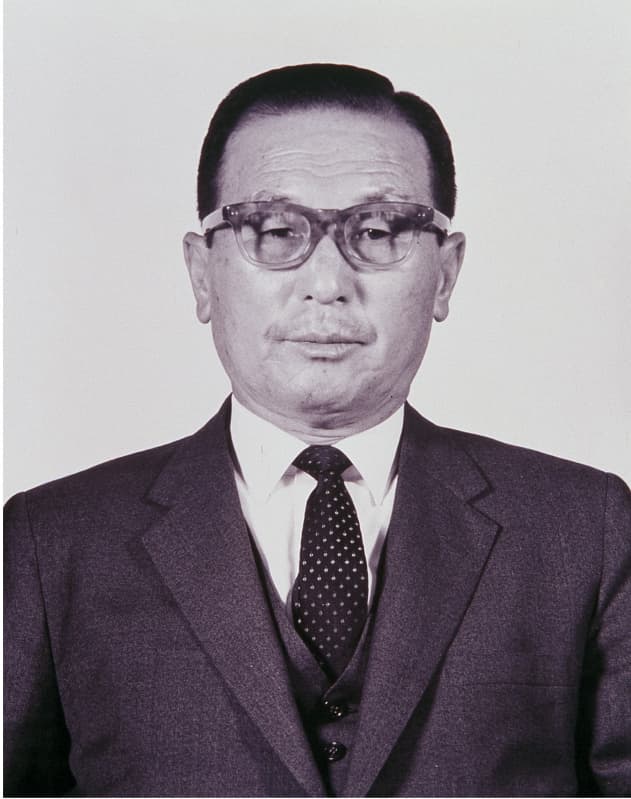
- LG Group: stayed with the Koo family. Koo Kwang-mo chairs today.
- GS Group (지에스그룹): went to the Huh family. GS Holdings, GS Caltex (a joint venture with Chevron), GS Retail (which operates GS25 convenience stores and GS The Fresh supermarkets), GS E&C (which builds Xi apartments), and GS Energy. Chair: Huh Tae-soo.
- LS Group: a smaller Koo family branch focused on industrial cables and infrastructure.
- LIG Group: descended from a separate Koo branch. LIG Nex1 (defense). LIG Insurance was acquired by KB Financial Group and is now KB Insurance.
Key point: GS25 convenience stores, Xi apartments, and GS Caltex stations are Huh family, not Koo family. This surprises many people because LG and GS look visually similar. They split 20 years ago and have different families, different businesses, and separate stock listings.
The brand-to-group map
This is the reference table. When you see a brand name in Korea, this is who owns it.
| Brand | Group | What it is |
|---|---|---|
| Samsung Galaxy, TVs, appliances | Samsung | Electronics |
| Raemian (래미안) apartments | Samsung (Samsung C&T) | Apartment brand |
| The Shilla hotel and duty free | Samsung | Luxury hotel and retail |
| Samsung Card | Samsung | Credit card |
| Samsung Medical Center | Samsung | Private hospital, Gangnam |
| Harman, JBL, AKG, Harman Kardon | Samsung (Harman subsidiary) | Audio brands |
| SK Telecom, T World | SK | Mobile network |
| SK Hynix | SK | Memory chips |
| T-money (교통카드) | Tmoney Co. (Seoul city + LG CNS; SK Telecom mobile integration) | Transit payment card |
| Hyundai Motor, Kia, Genesis | Hyundai Motor Group | Automobiles |
| Hillstate (힐스테이트) apartments | Hyundai Motor Group (Hyundai E&C) | Apartment brand |
| Asan Medical Center (아산병원) | Asan Foundation (Hyundai legacy) | Korea's largest hospital |
| Hyundai Card | Hyundai Motor Group | Credit card |
| Hyundai Department Store | Hyundai Department Store Group (separate) | Retail |
| iPark (아이파크) apartments | HDC (Hyundai Development Company, separate) | Apartment brand |
| LG TV, washer, appliances | LG | Electronics |
| LG Uplus (LG U+) | LG | Mobile network |
| LG Energy Solution batteries | LG | EV batteries |
| GS25 convenience store | GS Group (Huh family) | Convenience stores |
| Xi (자이) apartments | GS Group (GS E&C) | Apartment brand |
| GS Caltex gas stations | GS Group | Fuel retail |
| Lotte Department Store, Lotte Mart | Lotte | Retail |
| Lotte World, Lotte World Tower | Lotte | Theme park, landmark |
| Chilsung Cider (칠성사이다), Pepsi Korea | Lotte Chilsung | Beverages |
| Pepero, Koala March | Lotte Wellfood (롯데웰푸드, formerly 롯데제과) | Snacks |
| Lotte Castle (롯데캐슬) apartments | Lotte (Lotte Construction) | Apartment brand |
| Lotte Card, Lotte Cinema | Lotte | Finance, entertainment |
| Lotteria | Lotte | Fast food chain |
| Emart (이마트), SSG.com | Shinsegae (Lee family, Chung Yong-jin) | Supermarket, online shopping |
| Shinsegae Department Store | Shinsegae (Lee family, Chung Yoo-kyung) | Department store |
| Starbucks Korea | Shinsegae (operated under license) | Coffee shops |
| CJ Olive Young | CJ (Lee family) | Pharmacy and beauty retail |
| Bibigo | CJ | Korean food brand |
| CGV cinemas | CJ | Cinema chain |
| tvN, OCN, Studio Dragon | CJ ENM | Television and production |
| Korean Air | Hanjin Group (Cho family) | Aviation |
| Asiana Airlines | Hanjin Group (acquired by Korean Air, December 2024; brand sunset late 2026) | Aviation |
Two important notes on what is not in this table:
HiteJinro makes Jinro soju (진로), Chamisul (참이슬), and Hite beer. These are on every Korean restaurant table. HiteJinro is a large publicly listed Korean company, but not a Big 5 chaebol group in the same family-empire sense.
Cass beer is now owned by AB InBev (Belgian-Brazilian). The Doosan connection is historical only.
Recent dramas decoded
Chaebol families appear in Korean news regularly. These are the cases you will see referenced most often.
Lee Jae-yong (Samsung): convictions, pardons, and acquittal
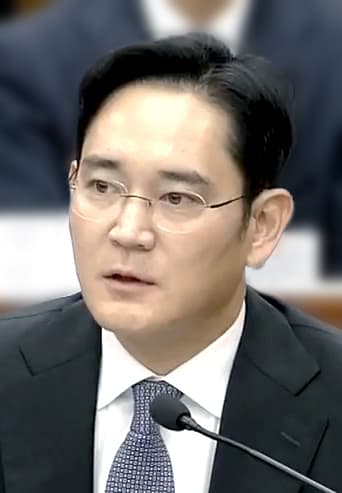
Lee Jae-yong (이재용) was convicted in 2017 of bribing President Park Geun-hye through donations to a foundation controlled by Park's confidante. He served 18 months in prison before being released on parole in 2021. President Yoon Suk-yeol pardoned him in August 2022. He was formally named Samsung Electronics chairman in October 2022.
In February 2024, the Seoul Central District Court acquitted him of a separate set of financial crimes related to the 2015 Samsung C&T and Cheil Industries merger. The Seoul High Court upheld the acquittal in February 2025, and the Supreme Court upheld it on July 17, 2025. All criminal charges in that case were cleared as of that ruling.
The pattern of prosecution, pardon, and eventual acquittal is not unique to Lee Jae-yong. Multiple chaebol leaders have followed a similar arc in Korean legal history. Whether this cycle reflects the judicial system functioning as designed or reflects the political weight of large conglomerates is a question Koreans debate actively. Both sides have serious arguments. This guide does not take a position.
Lotte family feud: Shin family
Lotte's founding structure, a holding company in Japan controlling both Korean and Japanese operations, created a succession problem after founder Shin Kyuk-ho began declining. In 2015, the older son Shin Dong-joo was removed from the Lotte Japan leadership. The younger son Shin Dong-bin retained control of both the Korean and Japanese sides.
Shin Kyuk-ho died in 2020. The formal succession was never resolved between the brothers. Shin Dong-joo has continued litigation in Japanese courts. In July 2025, a new shareholder derivative action was filed at Tokyo District Court against Shin Dong-bin. The case continues.
Shin Yoo-yeol (신유열), Shin Dong-bin's son, has been stepping up in Lotte's future planning as of mid-2025, signaling the third generation is being positioned.
SK: the Chey Tae-won divorce
SK chairman Chey Tae-won revealed a long-running affair publicly in 2015 and filed for divorce in 2018. In May 2024, the Seoul High Court (the appellate court) ordered a large property division, an amount that attracted significant media attention because it would require liquidating company shares. The Supreme Court partially overturned that ruling in October 2025 and sent it back to the appellate court. In April 2026, the Seoul High Court referred the case to mediation, with a hearing scheduled for May 13, 2026, opening the door to a negotiated settlement instead of a court ruling. As of guide publication, no final figure has been determined.
Hanjin and 갑질: the nut rage case
In 2014, Korean Air vice president Cho Hyun-ah, daughter of the airline's chairman Cho Yang-ho, ordered a New York-to-Seoul flight to return to its gate at JFK Airport. The reason: macadamia nuts were served in a bag rather than on a plate. A crew member was struck during the confrontation.
Cho Hyun-ah was detained for about five months and ultimately received a suspended prison sentence on appeal. The case made 갑질 (gapjil) a word that every Korean recognized. Before 2014, the term existed but was not in general public use. After the case, it became the standard label for abusive behavior by people in power over those who work for or serve them. You will see it in Korean news coverage of workplace incidents, celebrity misbehavior, and consumer behavior toward service workers.
Why this matters for foreign residents
Understanding the chaebol structure changes how you read everyday situations in Korea.
Apartment brand prestige
When a Korean apartment listing features a brand name at the top, that name is not just the developer. It is a signal about resale value, perceived construction quality, and social status. Raemian, Hillstate, Xi, and Lotte Castle carry different weights with Korean buyers and renters. In general, the brand affects the monthly rent range in a given neighborhood, even for physically comparable units. Foreign residents shopping for apartments will have this explained by real estate agents, often without much context. Now you have the context.
Hospital choice
Asan Medical Center (아산병원) and Samsung Medical Center are both private hospitals founded by chaebol groups. They are among Korea's most technically advanced hospitals and are the default referral destination for serious cases. When a Korean doctor recommends transferring to Asan or Samsung, they are referring to these specific institutions, not to hospitals owned by the car company or the phone company in any operational sense today.
Credit and loyalty
Samsung Card, Hyundai Card, and Lotte Card are common in Korean wallets. Each has different loyalty ecosystems. Hyundai Card is known for its design-heavy marketing and entertainment partnerships. Lotte Card is most useful if you spend heavily at Lotte-affiliated retail. A separate banking guide covers this in more depth.
Reading Korean news
When a business news story mentions an 오너 (owner) risk at a major company, they mean the controlling family member's personal situation is threatening the group. When a headline says a chaebol 총수 (group head) was summoned for questioning, it is almost always a story about one of the families in this guide. With the family trees decoded, the headline makes immediate sense.
What this guide did not cover
K-pop industry companies (HYBE, SM Entertainment, YG, JYP) are not traditional chaebols. They are family-linked or founder-led entertainment businesses built after the IMF recovery. They have real economic power, but their structure and origins are different. A K-pop industry guide covering how the labels work is coming.
Naver and Kakao are often discussed in the same breath as chaebol power because of their market dominance. They are not family-controlled conglomerates in the classic sense. A separate guide on Korea's tech giants and their relationship with the state and with daily life is coming.
This guide also did not cover the mechanics of how chaebol reform legislation works, the history of labor disputes at chaebol companies, or the role chaebol play in Korean foreign policy. Those threads run deep. The goal here is a working knowledge of who owns what and why the names matter.